



.
Unmanned Underwater Vehicles Revolutionizing Naval Safety and Missions
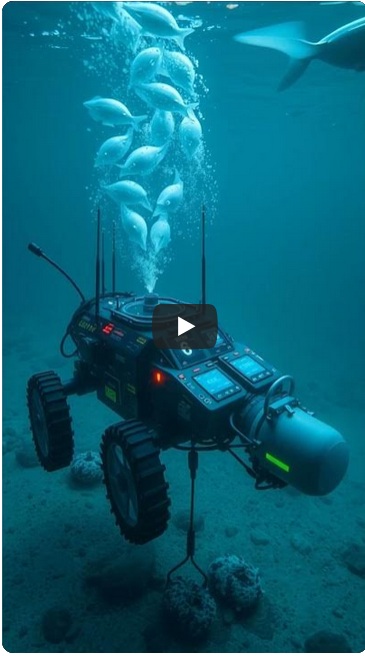
In the murky depths, a quiet revolution hums to life. Crewless vehicles—guided by software, sonar, and a stubborn will to endure the ocean—are taking on missions once reserved for submariners.
Across the globe, naval forces are deploying robotic sentinels—vehicles with no onboard crew but missions just as daring as any manned submarine. This is the story of the major unmanned underwater vehicles (UUVs) shaping 2025, told through vivid case studies, human stakes, and the emotional weight of what these machines mean for naval warfare, peacekeeping, and humanity’s ever-closer push into the deep.
The Backstory
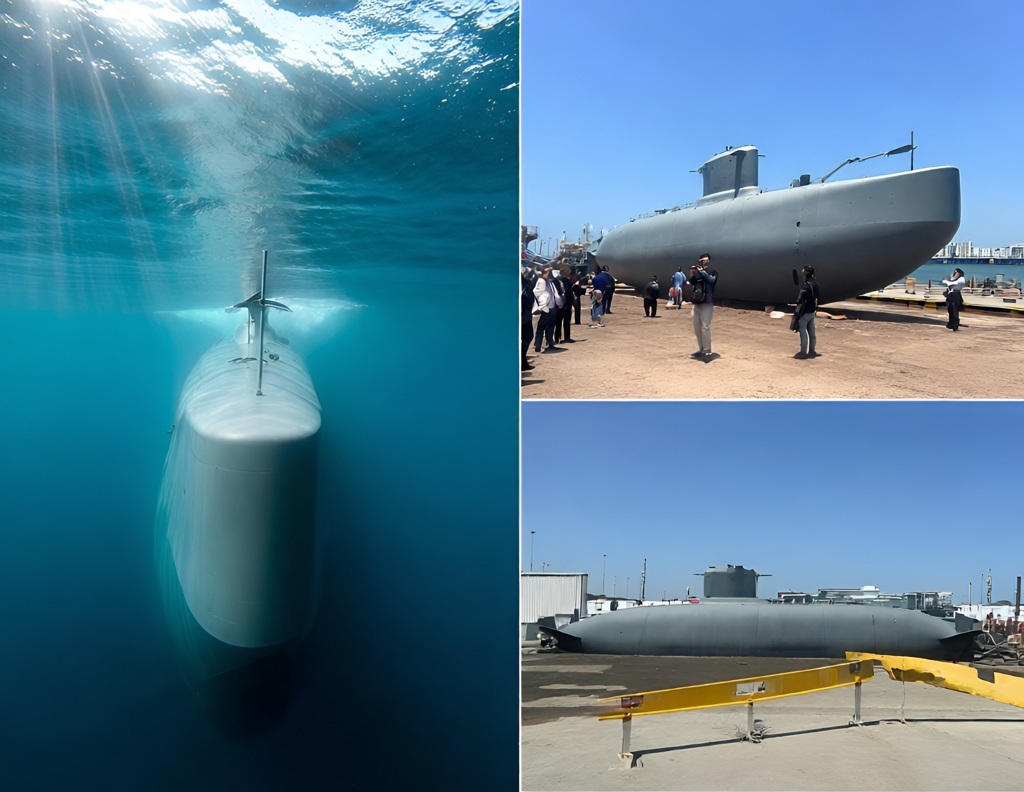
Imagine something the size of a bus, alone in the dark deep—no crew, no human aboard. That’s the Orca XLUUV, an “eXtra Large Uncrewed Undersea Vehicle” developed by Boeing (in partnership with Huntington Ingalls Industries) for the United States Navy. Naval News+3Boeing+3Naval Technology+3 Its range? About 6,500 nautical miles—months-long missions without a human on board.
Why it matters
Deep beneath the waves, traditional submarines do incredible work—but at great cost, risk, and investment. The Orca offers something new: extended reach, modular payloads, low-risk for humans, and the ability to “persist” in contested waters. In December 2024, the Chief of Naval Operations emphasized the importance of integrating robotic and autonomous systems like the Orca into the fleet. U.S. Navy+1
A Case Study of its Mission
Picture this: The U.S. Navy dispatches Orca into the Pacific: silent, undetected, slipping beneath rough seas, tasked to carry sensors or even smaller unmanned vehicles. No crew to risk, no surface signature to reveal. When traditional submarines must dive, rise, refuel or be exposed, Orca can quietly remain on station for days or weeks. According to a 2025 article, the vehicle delivered in late 2023 and is now being tested ahead of operational use. Naval News+1
Emotional & Human Element
For the sailors who once staffed high-risk patrols, seeing a machine like Orca take on what was once human duty is bittersweet. Pride in innovation, yes—but also a moment of reckoning: the face of the job is changing. “The ocean is always out there ready to kill you or trying to kill you,” a submariner once said—now that risk shifts. The War Zone For families ashore, there’s relief: fewer human missions into hostile deep water. But for engineers and operators, there’s also weight: ensuring a machine functions flawlessly in one of Earth’s most unforgiving environments.
Challenges & Outlook
The program is not without hurdles. The Government Accountability Office (GAO) warned that despite $885 million spent, the Navy’s major UUV program might not yet transition to a “program of record.” Breaking Defense Still, the promise remains huge: a robotic submarine that can endure what a human-crewed vessel can only dream of.
1) Orca XLUUV (USA): The Giant Ghost of the Seas
Case Study: “The Month-Long Shadow.” In a contested Pacific chokepoint, a carrier group needs persistent eyes under water. A single Orca, the size of a bus, slips below the thermocline and simply… stays. Day after day it maps, listens, and relays. No crew rotations. No risk of capture. When typhoon seas punish the surface, the Orca continues its quiet watch, returning only when the data bag is full.
Orca represents a new class—extra-large UUVs with “manned-submarine-like” presence but far lower risk to human life. It carries modular payload sections for ISR, mine countermeasures, and future seabed missions.
Submariners talk about the ocean like a living adversary. With Orca, far fewer people have to test that adversary head-on.
2) Lionfish SUUV (USA): The Agile Hunter
The Backstory
Imagine something the size of a bus, alone in the dark deep—no crew, no human aboard. That’s the Orca XLUUV, an “eXtra Large Uncrewed Undersea Vehicle” developed by Boeing (in partnership with Huntington Ingalls Industries) for the United States Navy. Naval News+3Boeing+3Naval Technology+3 Its range? About 6,500 nautical miles—months-long missions without a human on board. Boeing+1
Case Study: “Dawn Sweep in the Archipelago.”
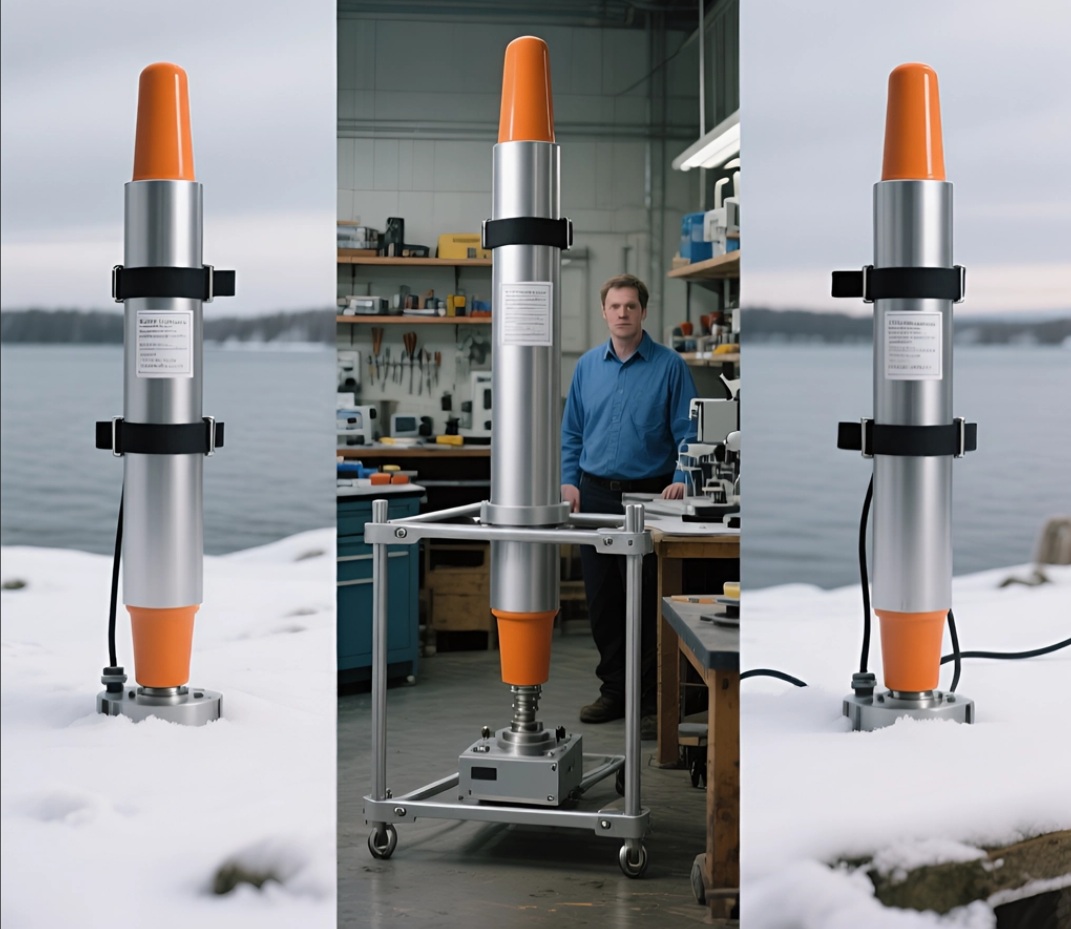
Before sunrise, a destroyer launches a pair of compact Lionfish vehicles toward suspected mine lanes. Using high-resolution side-scan sonar, they classify contacts in hours, not days. By noon, the sea lane opens for humanitarian shipments. The crew cheers—but it’s the robots that took the risk.
Lionfish favors a “many-and-mobile” playbook. It’s built for quick launch, high-fidelity mapping, and cyber-hardened autonomy—ideal in crowded coastal waters where time and precision matter.
For sailors who once hunted mines with divers and towed gear, Lionfish means fewer white-knuckle dives and more orchestration of smart tools.
Why it matters
Lionfish is cyber-compliant, modular, and meant to be deployed from smaller vessels—or even submarines. Its mission set: mine countermeasures, intelligence-surveillance-reconnaissance (ISR), undersea surveys. Army Recognition+1 In a world where a mine blocked a key strait or intelligence on an adversary submarine counts in minutes, these smaller drones offer tactical speed and flexibility.
A Case Study of its Mission
Imagine a littoral (coastal) zone where threat of mines is real: a carrier group approaches a contested archipelago. A pair of Lionfish vehicles are launched from a surface escort ship pre-dawn. They sweep ahead, use side-scan sonar to locate mine-like objects, mark them, maybe even neutralize. The crew aboard carriers can breathe easier—because these drones took that hazardous job.
Emotional & Human Element
For a minesweeper crew, seeing a robot take on what once meant putting lives at risk is profound. The sea can be treacherous; mines lurk unseen. Lionfish becomes the invisible warrior—silent, uncomplaining, tirelessly going where humans once dared. The men and women who once served on mine-hunters might feel a mix of relief and nostalgia: their old work, now evolved.
Challenges & Outlook
Compared to mega-UUVs like Orca, Lionfish must contend with endurance and deployment constraints. But that’s the point: many small vehicles vs one big one. The Navy’s contract for up to 200 vehicles—valued at $347 million or more—signals the faith in this strategy. HII+1 The question now: how fast will they deploy widely?
3) Sea Dart UUV (USA / Commercial): The Cost-Effective Workhorse
The Backstory
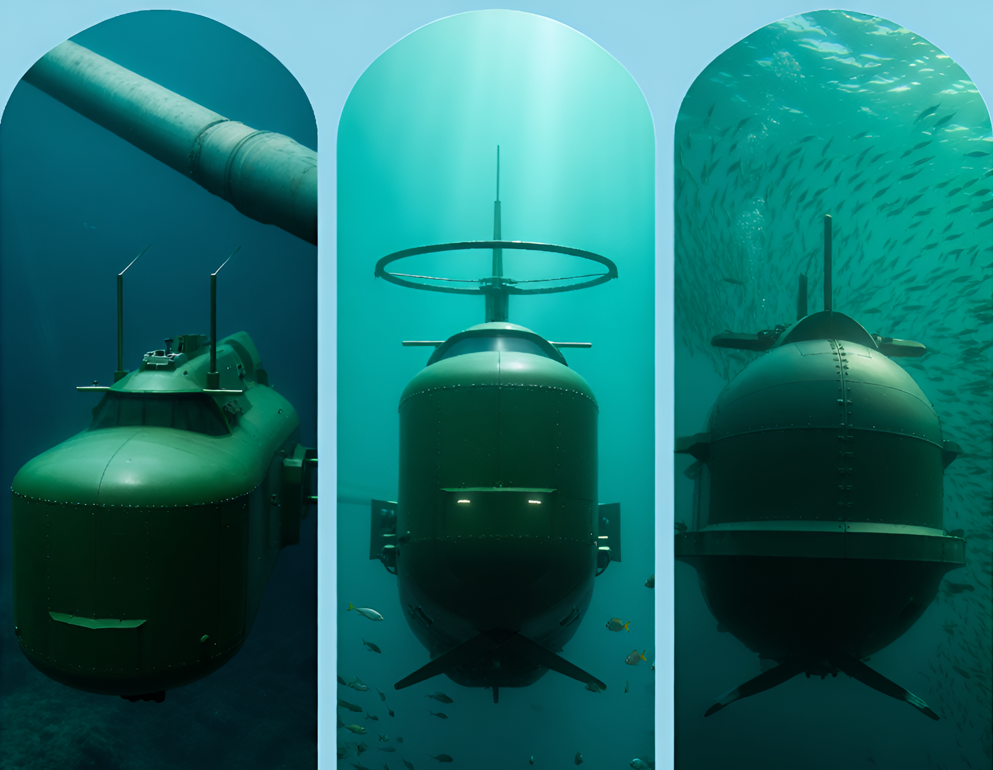
In April 2025 the company Leidos unveiled Sea Dart, described as “high‐performance, low-cost” and adaptable for counter-mine, survey, and environmental missions. Unmanned Systems Te
Why it matters
Not every UUV needs to be the size of a whale. Sea Dart embodies the principle of “good enough, for many missions.” It costs perhaps a fraction of a huge submarine drone, can survey seabeds, monitor infrastructure, conduct minesweeping—even environmental sensing. Unmanned Systems Technolog
A Case Study of its Mission
Picture a seabed cable field, linking islands hundreds of miles apart. Sea Dart is deployed ahead. It maps the seabed, inspects for damage or sabotage, monitors currents and turbulence. Meanwhile, a navy submarine patrols elsewhere. The job is done by a quiet drone, leaving humans free for higher-risk assignments.
Emotional & Human Element
Operators in hydrographic units—who once worked long hours on charting and mapping—now see drones reduce their workload and risk. For them, each mission becomes less about manual toil and more about supervisory control. There's excitement: more missions, better data, less risk. But also challenge: keeping skills sharp while machines take over the dirt-work.
Challenges & Outlook
One limitation: endurance and autonomy may still lag the longest missions. But as cost-effective units, they expand the chessboard of undersea operations: more drones, more missions, more persistence. The market for UUVs is expected to grow from $3.95 billion in 2024 to $4.41 billion in 2025. GlobeNewswire
Case Study: “Guardians of the Seabed.” A chain of islands relies on undersea cables for power and internet. Sea Dart vehicles patrol the route, logging anomalies, photographing suspicious disturbances, and flagging hazards before they become outages. Not glamorous—but the difference between a blackout and business as usual.
Not every mission needs a giant. Sea Dart’s value is in numbers—affordable units that expand coverage for survey, environmental sensing, and counter-mine support.
Hydrographers and engineers shift from long days of manual mapping to mission design and data decisions. Less toil, more insight.
4) BlueWhale UUV (Israel / NATO): The Under-the-Radar Challenger
The Backstory
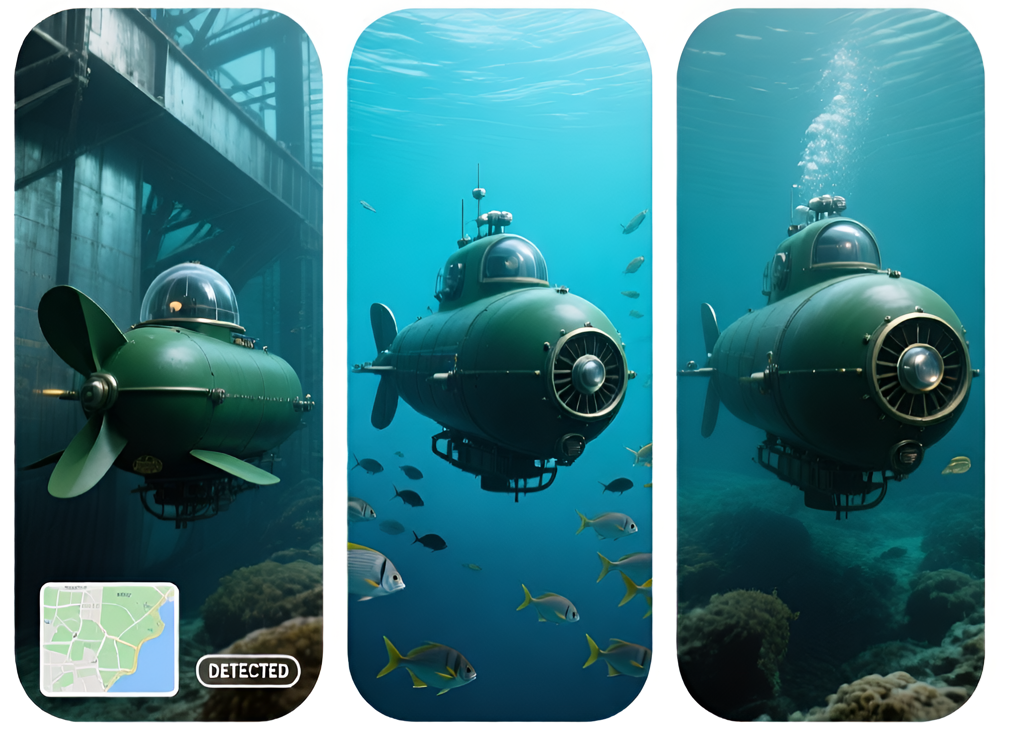
From IAI‑ELTA Systems of Israel comes the BlueWhale UUV — a stealthy, ISR-capable autonomous submarine. According to public sources, it can stay at sea for up to four weeks, dives to around 300 meters, carries a watertight mast for sat-comms, and surfaced payloads. Wikipedia
Why it matters
Many media focus on super-large UUVs or the small drones—but BlueWhale occupies a middle niche: long-endurance, autonomous, stealthy, built for reconnaissance rather than raw firepower. For coastal navies and NATO partners, that’s a compelling capability.
A Case Study of its Mission
A navy partner in the Mediterranean deploys BlueWhale ahead of an allied exercise. It slips beneath the waves, monitoring acoustic signatures, patrolling undersea features, silently waiting. It collects intelligence on submarine activity, undersea cables, or clandestine vessels. It returns with data—humans never appear in the water.
Emotional & Human Element
For submarine commanders, a system like BlueWhale might feel like a younger sibling—capable, but not replacing them. For intelligence officers, it's a dream: real-time data from deep in the silent ocean. For the engineers back in Israel, it’s years of innovation paying off: the quiet hum of a drone, the lights blinking in control-rooms late at night, the thrill of seeing your product deployed into real missions.
Challenges & Outlook
While less publicly hyped than the largest systems, BlueWhale signals global diffusion of UUV capability. Adversaries also watch. The risk: proliferation of undersea drones will raise detection, counter-drone, and swarm-tactics concerns. The strategic game is shifting under the waves. IDSTCH
Case Study: “Watching the Quiet Sea.” During an allied exercise in the Mediterranean, a BlueWhale lingers along a submarine transit route. It catalogs acoustic signatures, inspects undersea terrain, and uplinks via a slender comms mast when seas calm. The submarine crews never see it—but they feel its presence in the intel brief that follows.
BlueWhale occupies the “just-right” niche between small survey drones and massive XLUUVs—long-duration reconnaissance without the logistical footprint of a big platform.
For intel teams, it’s a dream: more hours on station, more context, fewer gaps—without tasking a crewed submarine.
Strategic Trends & What It All Adds Up To
Market & Strategy
-
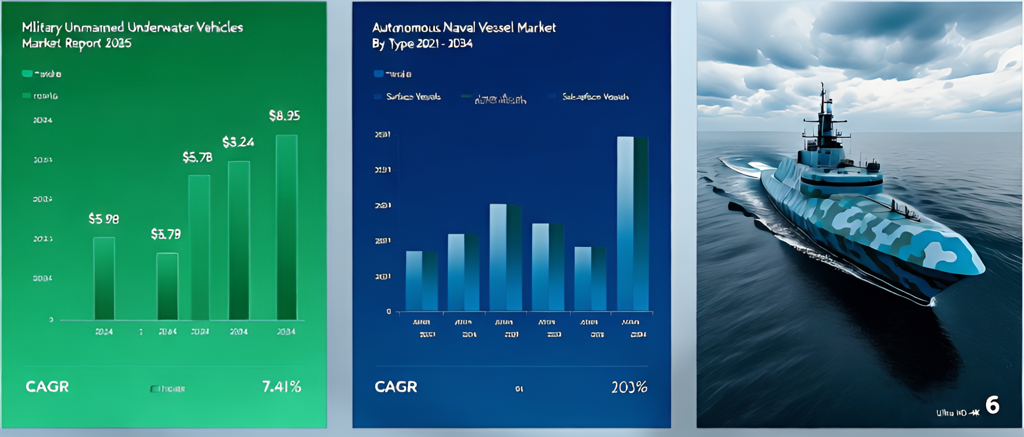
The global military UUV market is rapidly growing: the size is predicted to go from $3.95 billion in 2024 to $4.41 billion in 2025. GlobeNewswire
-
Navies are adopting a “hybrid fleet” concept: humans onboard traditional ships/submarines, paired with unmanned systems undersea. Federation of American Scientists+1
Missions once considered too risky (minefields, seabed warfare, long-dwell ISR) are now accessible via unmanned systems. IDSTCH
Emotional & Strategic Shifts
-
For service members: a shift in identity. Submarine warfare, once the realm of men-and-women in deep-diving boats, is now mediated by robots.
-
For citizens: hidden beneath the sea, unseen machines patrol, deterring threats, gathering intelligence—and raising questions about transparency, ethics, autonomy.
-
For engineers: the challenge is immense—propulsion, pressure, autonomy, communication under water. As one researcher said: “The ocean is… ready to kill you.” The War Zone
Key Challenges
-
Under-sea communication remains difficult: acoustic links, limited bandwidth, long latency. Military Aerospace
-
Autonomy and mission-adaptability: vehicles must make decisions, adapt to unknown threats.
-
Logistics and sustainment: even unmanned, they require infrastructure. Naval News
-
Proliferation and counter-measures: as UUVs grow, adversaries develop detection, jamming, anti-drone mines.
Why Readers Should Care
-
-
The undersea domain is long hidden—but it’s vital for trade, cables, strategic deterrence. These machines matter for everyday security.
-
Technology that once appeared sci-fi is now real. The drones below have implications for future conflict, maritime regulation, environmental monitoring.
-
It’s a story of human ambition:
-
Hybrid Fleets
Human-crewed subs and ships paired with persistent UUVs—covering more water for longer, at lower risk.
Seabed Is Strategic
Cables, pipelines, and sensors turn the seafloor into critical infrastructure—and a new front for protection.
Autonomy First
From route planning to target classification, smarter onboard decision-making is the unlock for endurance.
Swarm Economics
Multiple affordable UUVs can outperform a single exquisite platform in many missions.
Why readers should care: This isn’t just “navy tech.” It affects global trade, internet resilience, disaster response, and how nations deter conflict without risking crews.
Quick FAQ
What’s the difference between XLUUV, LUUV, and SUUV?
They’re rough size/mission bands. XLUUV platforms (like Orca) emphasize extreme endurance and modular payloads; SUUV (like Lionfish) are small, agile, and ideal for minehunting, survey, and quick ISR. Systems like BlueWhale sit between—long-range ISR with smaller footprints.
Are these weapons?
Many UUVs are focused on intelligence, survey, and mine countermeasures. Weaponization is a policy and design choice; most public programs highlight reconnaissance, mapping, and safety-of-navigation roles.
What’s the hardest technical problem?
Underwater communication and reliable autonomy under pressure (literally). Water punishes radios, GPS, and humans—yet these vehicles must decide, navigate, and endure.
6. Looking Ahead: What to Watch in the Coming Years
-
Which UUV program will transition from prototype to full-operational status? The GAO’s concern about Orca’s transition is a key indicator. Breaking Defense
-
Will autonomous “one-way” or expendable UUVs (essentially underwater drones that don’t return) become a norm? The Defense Innovation Unit has already solicited such systems. DefenseScoop+1
-
Will undersea “swarms” of smaller UUVs create new tactics—many inexpensive machines working together rather than one big one?
-
What ethical/regulatory frameworks will govern autonomous undersea weapons, especially when they dive deep beneath sovereignty zones?
-
How will climate, seabed infrastructure (cables, pipelines), and commercial exploitation of the oceans interact with military UUV deployment?
Final Thoughts
Beneath the waves, out of sight, a silent fleet is rising. From the massive Orca that loiters like a shadow submarine to the nimble Lionfish that sweeps a minefield, unmanned underwater vehicles are changing the game. The sea has always been a domain of mystery, danger, and strategic value—and now robots are entering quietly into the fray.
For the men and women of the navy, for engineers, for citizens of maritime nations, this is more than technology. It’s a shift in how we navigate risk, how we project power, how we value human presence versus machine presence. The heart of the story: underwater warfare is no longer exclusively about steel-hulls and human crews—it’s now a theatre of autonomy, data, endurance, and silent machines.
Stay tuned, because the depths have many more secrets—and many more UUVs yet to surface.