



Hydroponic Farming
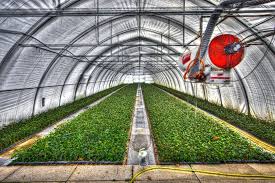
Hydroponic farming is a long standing tradition that has been passed down from generation to generation for centuries. Even today, this particular gardening method is perfect for indoor locations as well as in areas where the soil may be too rocky or contaminated to grow anything. Farms mass produce a variety of fruits and vegetables this way all over the world. However, you can take advantage of this system at home as well.
Hydroponic farming essentially allows the plant to absorb everything it needs by immersing its roots in a highly nutritious solution. This is a quicker and more effective way than gardening with soil, as the plants are able to absorb it directly from its source. You will also never have to worry about weeding, pesticides, tilling, or contaminated dirt ever again.
Hoewver, some gardeners prefer to have some sort of base to work from. It’s not uncommon to find hydroponic gardeners using clay pellets, foam pads, Styrofoam, and even sand or gravel as alternatives to soil. This allows the plant to stay firmly grounded, but without the risk of attracting weeds or soil contamination related diseases.
However, while hydroponic farming does allow you to grow your favorite plants with a bit less maintenance than with most other gardens, they still require some work. Much of it has to do with making the right calculations. For example, how hydroponic nutrients work is that you add a certain percentage to the water your plants are immersed in. However, if you miscalculate the amount, you might end up ruining your entire crop.
Similarly, monitoring the air is also important, especially when you conduct hydroponic farming in an enclosed space. It’s all too easy for plants to succumb to excess humidity, especially when growth lights are involved. Humidity can result in your plants wilting and rotting. It also causes the formation of many types of harmful bacteria. Fortunately, you can prevent this from happening by setting up some fans and a dehumidifier.
Another part of hydroponic farming is making sure the pH levels aren’t too high or too low. While most high quality nutrient solutions won’t cause acidity imbalances, it can always occur. Fortunately, testing your plants is as simple as dipping a pH strip in the solution it’s immersed in. If you find your plants are too acidic or too basic, all you need to do is add a few stabilizing solutions to the water and things should balance out. Learn more today about how hydroponic farming can benefit you!
Homegrown Hydroponics
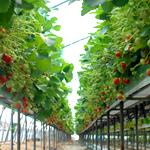 Do you wish you could enjoy high quality produce without the hassle of tilling, weeding, and pest control? If this sounds like you, then hydroponics gardening is an ideal alternative to you. Unlike conventional gardening, it involves the craft of growing plants without soil, allowing you to enjoy homegrown hydroponics plants all year round.
How is this possible? The answer is simple. Instead of immersing the plant in soil, homegrown hydroponics technology allows you to immerse the naked roots into a highly nutrient rich solution specially made to help your plants grow faster and produce better results. If the idea of using just water seems impractical to you, there are other methods that are ideal alternatives to soil, such as clay pellets, sand, Styrofoam, foam pads, and others.
Gardeners across the country are enjoying the benefits of homegrown hydroponics. While this may seem like a recent trend, in actuality people have been growing plants this way for centuries, especially in areas where the soil is too parched, rocky, or otherwise uninhabitable for plants to grow. This is an especially efficient method for mass producing food in particular, as studies show that plants grown under homegrown hydroponics conditions grow faster and produce better results.
Of course, homegrown hydroponics isn’t as simple as it looks. You are taking plants and putting them in an environment largely created by you. This means you have to test the nutrient solutions to ensure your plants are getting everything they need, the pH levels to make sure your plants aren’t too acidic, and even the air itself. After all, homegrown hydroponics gardens can grow to be very humid indeed, which can result in plants wilting or rotting, as their leaves lack the capability to lock out excess water. It can also lead to the growth of mildew, algae, and even insect infestation, particularly if you use a lot of containers with standing water.
Fortunately, there are ways to keep your hydroponics center looking great. When you purchase your grow lamps, be sure to invest in a high quality set of fans, air conditioning units, or dehumidifiers. Circulating and treating the air this way also helps your plants convert carbon monoxide into oxygen.
Homegrown hydroponics gardening may seem like a strange way to grow plants, but the results don’t lie. They allow you to grow practically anything, regardless of what year it is. As you enjoy your fresh fruits, vegetables, and flowers, you will wonder how you ever got along without it. Learn more today about how hydroponics can transform your gardening!
Hydroponics Related Articles